
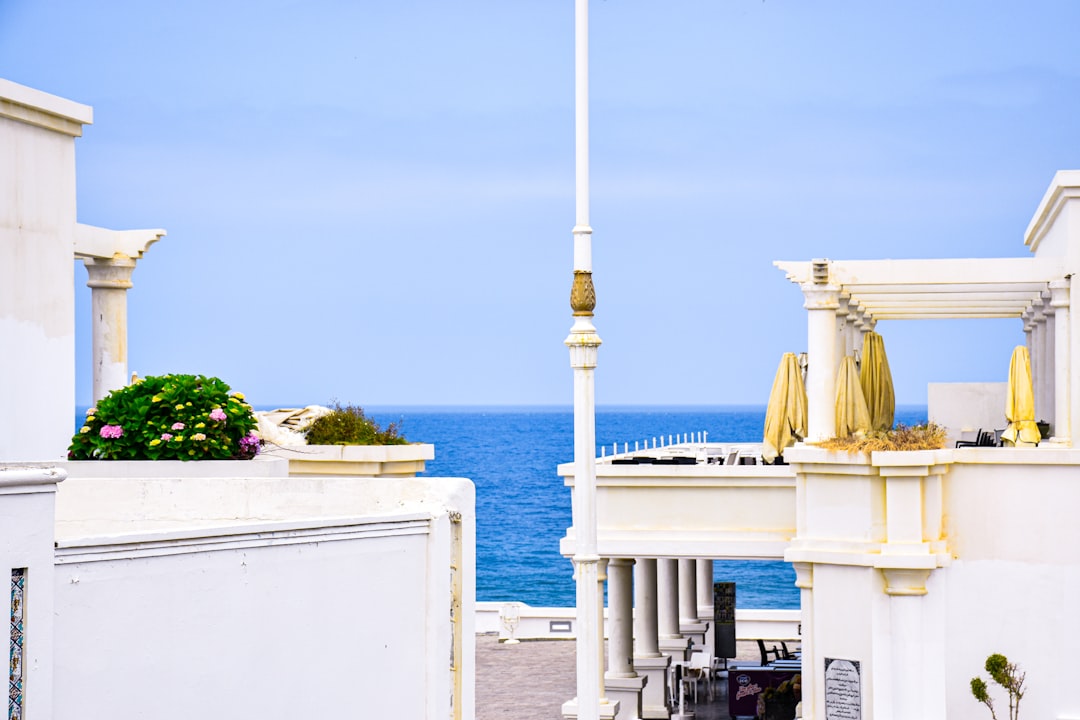
Buying property in Tangier as a foreigner is legally possible and increasingly common, following Morocco's clear legal framework. Foreigners can own residential property outright—no restrictions on nationality—through a structured process involving property search, legal due diligence, notary registration, and title transfer. The purchase is finalized at a public notary office, with fees averaging 3–5% of the purchase price. Key requirements include proof of funds, a valid passport, a Moroccan tax identification number (if you don't have one, the notary obtains it), and professional legal guidance. The entire process typically takes 4–8 weeks once a property is identified, making Tangier an accessible market for international buyers seeking coastal Mediterranean living or rental investment returns.
The Legal Framework: What Foreigners Can and Cannot Do
Morocco's property law is foreigner-friendly compared to many Mediterranean jurisdictions. Unlike some North African countries, there is no nationality restriction on residential property ownership in Morocco—you can hold title to an apartment, villa, or plot of land as a foreign individual or company, without special permission from the government.
However, there are two key boundaries worth understanding. First, you cannot own agricultural land in Morocco as a foreigner—purchases are limited to urban residential and commercial property. Second, if you're buying as a non-resident, you'll need a Moroccan tax identification number (Numéro d'Impôt), which the notary will arrange. This is a straightforward administrative step, not a barrier.
Moroccan property ownership is registered in a formal land registry (Livre Foncier), and title is protected by law the moment the notary registers your deed. Your property is yours; there is no future reclassification or revocation risk. This legal security is a major draw for luxury apartment buyers in Tangier seeking stable, long-term ownership.
Step-by-Step Purchase Process
1. Property Search and Due Diligence
Begin by identifying properties that match your criteria—location, price, size, and amenities. Tangier's neighborhoods offer distinct character: Iberia is widely considered Tangier's most prestigious residential quarter, while emerging districts like Ghandouri increasingly favors larger-format luxury units like penthouses. Coastal areas such as Malabata stand out for beachfront and marina access, while Achakar offers tranquility along Tangier's affluent northwestern coastline.
Once you've identified a property, hire a local Moroccan lawyer (notaire or legal adviser) to verify the title, check for liens or disputes, and confirm the seller's ownership. This due diligence step is non-negotiable and typically costs 500–1,000 MAD (€50–€100).
2. Offer and Negotiation
Property in Tangier is typically negotiable, especially if you're prepared to move quickly or pay cash. Many sellers and agents expect some back-and-forth. Once you agree on a price, you'll sign a preliminary agreement (Compromis de Vente), which outlines the sale terms and establishes a completion timeline—usually 30–60 days.
3. Mortgage Financing (Optional)
If you're financing your purchase, most major Moroccan banks (Attijariwafa bank, BMCE, Banque Populaire) offer mortgages to foreign buyers, though terms are stricter than in Western markets. Expect to provide proof of income, employment contracts, and a minimum down payment of 30–40%. Interest rates typically range from 4–5.5%. Use our notary fees calculator to estimate your total closing costs, including mortgage registration fees.
4. Notary Registration and Title Transfer
The notary (notaire) is the legal cornerstone of the Moroccan property purchase. You and the seller meet in the notary's office to sign the definitive deed (Acte de Vente). The notary verifies your identity, confirms payment, registers the title in your name at the land registry, and files all tax documentation. This step typically takes 2–4 weeks.
5. Key Handover and Occupation
Once the notary completes registration and files are processed, you receive the title deed and keys. You are now the registered owner and can occupy or rent the property immediately.
Costs You'll Actually Pay
Beyond the purchase price, budget for notary fees, registration taxes, and legal services. Here's a realistic breakdown:
- Notary fees: 2–3% of the purchase price (paid to the notary for registration and documentation)
- Registration tax (Droits d'Enregistrement): 5% of the purchase price (paid to the government)
- Land registry fee: Approximately 0.5% of the purchase price
- Legal adviser fee: 500–1,500 MAD (€50–€150) for due diligence and guidance
- Survey or inspection: Optional but recommended—500–2,000 MAD (€50–€200)
Total closing costs typically range from 7.5–8.5% of the purchase price. For a €300,000 luxury apartment, expect to add €22,500–€25,500 to your budget. Our FAQ section answers common questions about buying costs and the legal process.
Where Foreigners Typically Invest: Neighborhoods and Price Ranges
Tangier's property market is segmented by neighborhood and lifestyle. Foreigner buyers typically cluster in four zones:
Prestige Coastal & Waterfront (€300,000–€600,000+)
The most sought-after addresses are Malabata, Marina Bay, and Boulevard Mohamed VI—high-rise modern apartments with sea views, parking, and proximity to restaurants and leisure. These neighborhoods draw international investors and retirees seeking contemporary living with premium finishes and reliable rental yields. Many luxury apartments here are marketed internationally and built by major developer partners Immoworld works with.
Emerging Luxury Corridors (€200,000–€400,000)
Ghandouri, Malabata Hills, and Quartier Administratif offer newer construction, solid amenities, and growth momentum at a lower entry price than waterfront properties. These areas appeal to first-time luxury buyers and yield-focused investors.
Established Mid-Market (€100,000–€250,000)
Central neighborhoods like Castilla, Moulay Youssef, and Place al Madina offer walkable, well-connected urban living with reliable services. Properties here suit buyers prioritizing convenience over sea views, and rental demand is steady from students, young professionals, and tourists.
Historic & Boutique (€80,000–€180,000)
The Kasbah, Riad Tetouan, and Mershan blend Tangier's heritage with modern renovation. These properties appeal to buyers seeking character, cultural immersion, and often strong short-term rental potential through platforms like Airbnb.
Financing Your Purchase: Mortgages and Bank Options
Most major Moroccan banks will finance a foreign buyer's property purchase if you meet basic criteria: proof of stable income, employment verification, and typically a down payment of 30–40%. The mortgage process is slower than in Western markets (6–12 weeks) and carries higher interest rates (4–5.5%), but it is genuinely available.
Alternatively, many foreign buyers simply pay cash, avoiding mortgage bureaucracy and the additional interest cost. The decision depends on your financial situation and how you want to structure your investment.
Tax and Rental Obligations
If you rent your property to tenants or tourists, you're required to register as a business owner with Moroccan tax authorities and declare rental income. The tax rate on rental income is approximately 20% after deductions. Many investors use property management companies (common in Tangier) to handle tenancy, maintenance, and tax filing—typically costing 10–20% of gross rental revenue.
Property ownership also carries annual municipal taxes (taxe d'habitation and taxe de services collectifs), which are modest (typically €20–€80 per year for an apartment) and handled by your local tax office.
Common Pitfalls Foreign Buyers Encounter
Understanding what goes wrong helps you stay safe:
- Skipping due diligence: Never buy without a lawyer verifying the title and checking for liens. A handful of properties have disputed ownership or unpaid debts attached to them.
- Not understanding all costs upfront: Many buyers are surprised by notary fees and taxes. Budget 8–9% above the purchase price to be safe.
- Underestimating management complexity: If you plan to rent, factor in property management time or cost. International owners cannot easily manage tenancies remotely without professional help.
- Ignoring neighborhood trends: Not all neighborhoods appreciate at the same rate. Research development plans, infrastructure projects, and local demographic trends before committing.
Why Tangier Now?
Tangier's real estate market has accelerated over the past five years due to infrastructure investment (TGV high-speed rail, port expansion, airport upgrades), growing tourism, and a young demographic that is driving rental demand. For foreign buyers, Tangier offers Mediterranean coastal living at a fraction of European prices—luxury apartments typically range €250,000–€500,000, compared to €600,000–€1.2 million in Spain or southern France.
The legal framework is clear, the process is straightforward, and prices still have growth potential as the city's international profile rises.
Next Steps: Getting Professional Help
Buying property in Tangier as a foreigner is entirely achievable if you approach it methodically and with proper legal support. The key is to partner with professionals who understand both Moroccan law and the international buyer's perspective.
Reach out to Immoworld's advisory team to discuss your property goals, neighborhood preferences, and budget. We'll connect you with verified local lawyers, help you navigate developer options, and guide you through every step of the purchase process. Whether you're seeking a luxury penthouse with sea views, a rental investment, or a personal residence, Tangier's market has options—and we'll help you find the right one.