
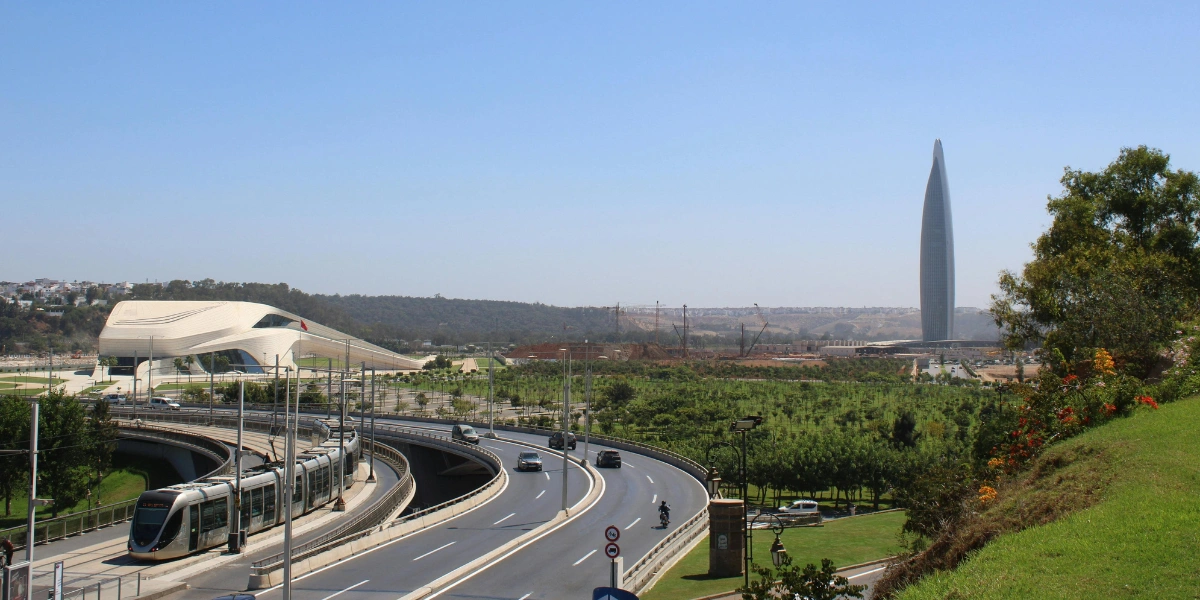
Investing in Morocco in 2025: Why Africa’s tourism leader is the new real estate frontier
In 2025, the Kingdom of Morocco consolidated its position as a global tourism powerhouse, welcoming a historic record of 19.8 million visitors, representing a 14% increase compared to the previous year. With tourism revenues exceeding 13.6 billion dollars (124 billion dirhams), the country rose to 13th place worldwide in the UN Tourism rankings, surpassing regional competitors such as Egypt.
For investors, this momentum is not just a diplomatic or cultural success: it is the driving force behind an unprecedented real estate opportunity.
Why Is the World Choosing Morocco? (The Drivers of Demand)
Morocco’s rise is based on strategic pillars that ensure a steady flow of tenants and buyers:
Massive Air Connectivity: More than 120 new international routes have been launched, including the direct Newark–Marrakech route by United Airlines, opening up the high purchasing-power North American market.
The AFCON 2025 Effect and World Cup 2030: Hosting the Africa Cup of Nations (AFCON 2025) attracted more than one million additional supporters, generating between 4.5 and 12 billion dirhams in immediate economic benefits. Ces événements accélèrent la modernisation des infrastructures (TGV, aéroports, stades).
Diversity and Unique Experiences: Morocco offers the possibility of skiing in the Atlas Mountains in the morning and surfing in Taghazout in the afternoon, a versatility that attracts a diverse clientele (digital nomads, families, luxury travelers).
The Real Estate Market: Strong Fundamentals for Investment
Unlike some overheated European markets, Moroccan real estate shows exceptional value indicators:
Attractive prices: Adjusted for inflation, real estate prices are approximately 21% below their 2010 level, ruling out any risk of a speculative bubble.
Government Incentives: The new Investment Charter offers grants that can reach 30% of the invested amount for job-creating projects, as well as a full VAT exemption on imported equipment for 36 months.
Strategic Comparison: Marrakech vs Tangier (2025–2026)
| Indicator | Marrakech (The Tourist Heart) | Tangier (The Gateway to Africa) |
| Rental Yield | 8% to 13.5% (Seasonal/Airbnb) | 8 % (Highest national average) |
| Price Growth | Stable: +5% to +7% per year | Fast: +15% to +20% (Prime areas) |
| Type of Property Sought | Villas with pool (45% of searches) | Modern apartments & seaside villas |
| Investor Profile | Diaspora (MRE), Europeans, Gulf | Institutional investors, Logistics, Second homes |
| Major Advantage | Year-round tourism (12 months); Historic riads | TGV hub, proximity to Europe, Tanger Med port |
Focus on niche opportunities
The Riad Market: In Marrakech or Fez, a well-managed riad with 4 to 6 rooms can generate a net return of 6% to 10%, benefiting from demand for “authentic” stays.
Surf & Wellness (Taghazout & Dakhla): These areas are seeing strong demand from digital nomads. Seasonal yields are driven by 320 windy days per year in Dakhla and a surf season running from October to April.
Advice for International Investors
Trace your capital: Use a “convertible dirhams” account to guarantee your right to repatriate funds (capital and capital gains) upon resale.
Target “development zones”: Tangier (Malabata area) and Casablanca (CFC area) directly benefit from the expansion of the high-speed rail and the development of financial hubs.
Anticipate 2030: Current prices offer an optimal entry window before the expected appreciation linked to the 2030 FIFA World Cup.
Conclusion: With a growing economy (projected GDP growth of +4%), recognized political stability, and a booming tourism sector, Morocco is establishing itself in 2025 as the strategic choice for diversifying a high-performance real estate portfolio.
 EN
EN  FR
FR  NL
NL  AR
AR 